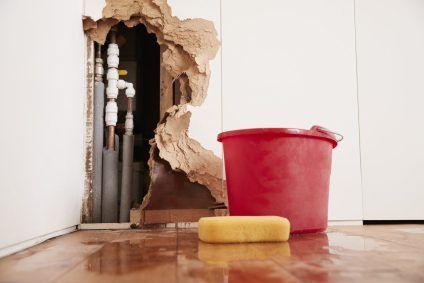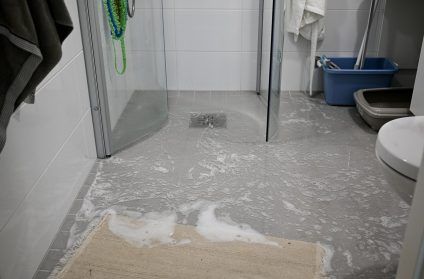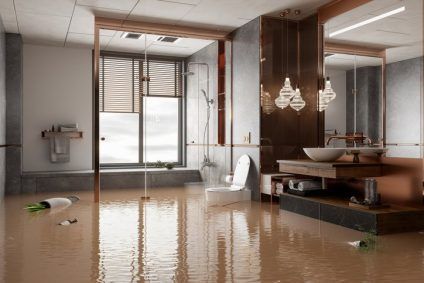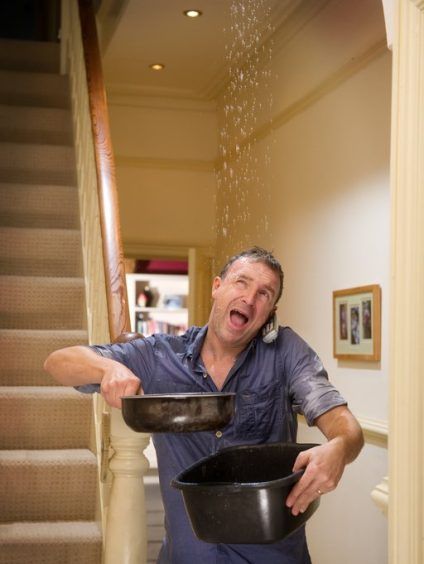

One of the most common questions homeowners have after a water damage event is how long the restoration process will take. The honest answer is that it depends on several factors, and any company that gives you a hard number before assessing the damage in person should be taken with some skepticism. That said, there are general timelines that apply to most residential water damage restoration jobs, and understanding them helps set realistic expectations.
What Drives the Timeline
Water damage restoration is not a single event. It is a sequence of phases, each with its own duration, and the length of each phase depends on specific conditions in your home.
The key variables include:
- Extent of the affected area: A single wet room dries faster than a flooded lower level with multiple affected spaces.
- Materials involved: Hardwood flooring, drywall, and insulation absorb water differently and require different drying times. Some materials, like certain types of hardwood, may take longer to dry or may need to be removed rather than restored.
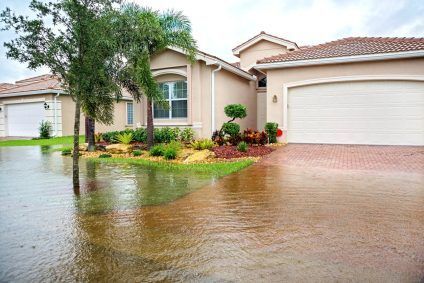
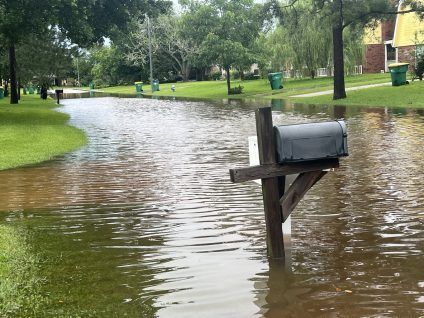
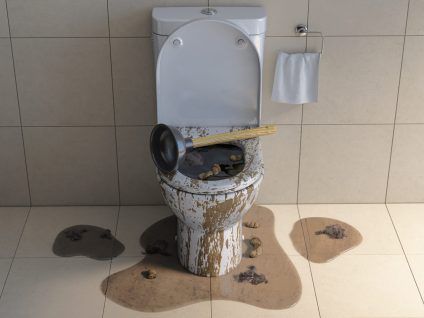
- Water category: A Category 1 loss from a clean water source, like a broken supply line, is treated very differently from a Category 3 loss involving sewage or floodwater from an external source. Category 2 and Category 3 losses often require removal of affected materials rather than drying in place, which extends the overall timeline.
- Time before treatment began: The faster mitigation begins, the fewer materials are affected, and the shorter the restoration process tends to be.
- Weather and humidity: In the coastal low-country climate around North Charleston, high ambient humidity can slow drying times if the structure is not properly sealed and treated with commercial dehumidification equipment.
Phase 1: Water Extraction and Stabilization
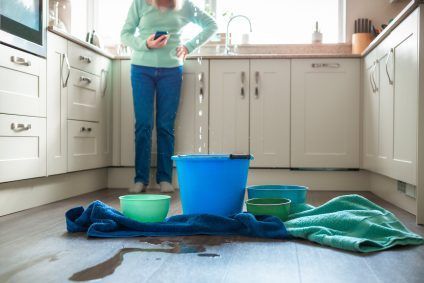
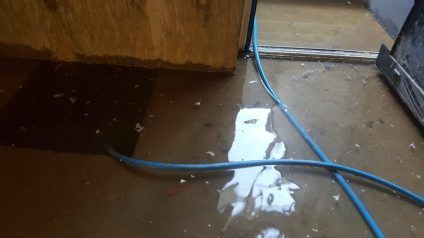
The first phase begins immediately upon the arrival of the water damage restoration company. Standing water is extracted using commercial-grade pumps and truck-mounted extractors. Depending on the amount of water present, this phase can take anywhere from one to several hours.
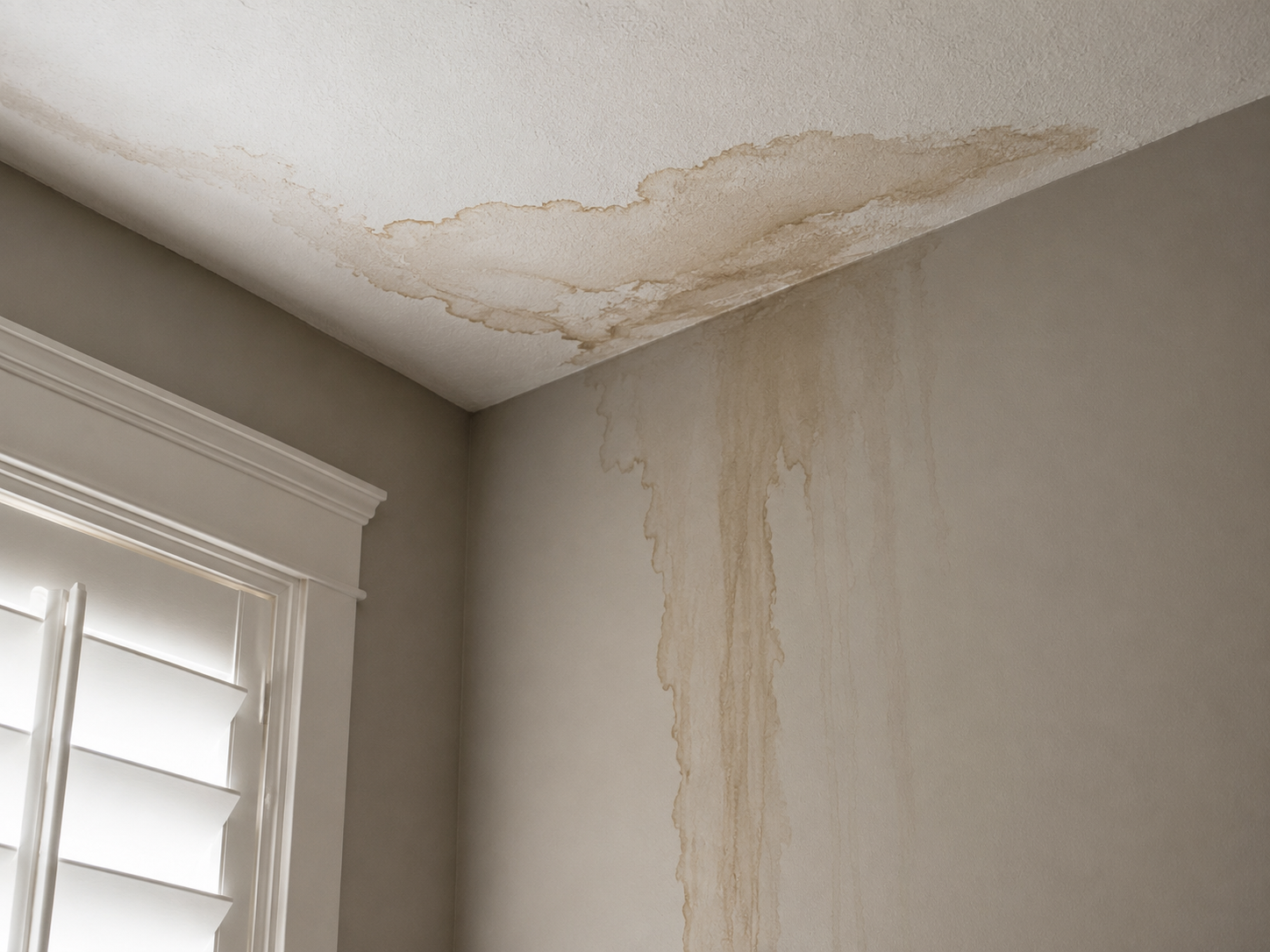
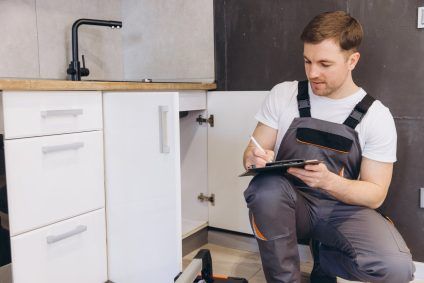
Once standing water is removed, the crew assesses the affected areas with moisture meters and, in some cases, thermal imaging to identify where water has migrated beyond the visible surface. Water moves through walls, under floors, and into cavities that are not immediately obvious, and missing those areas during assessment leads to incomplete drying and secondary damage down the line.
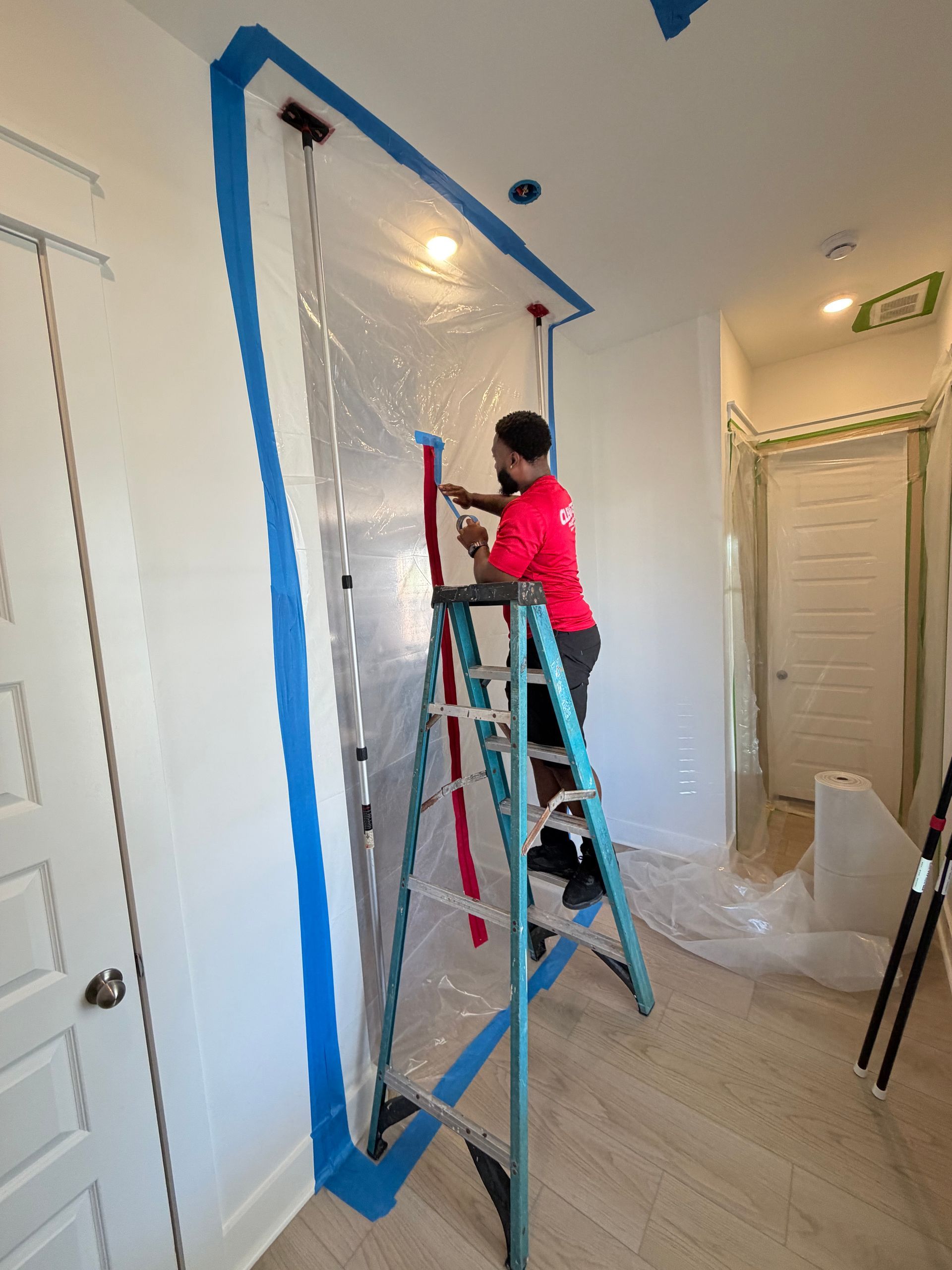
Emergency board-up, tarping, or other structural stabilization is completed if the structure was compromised during the event.
Phase 2: Structural Drying
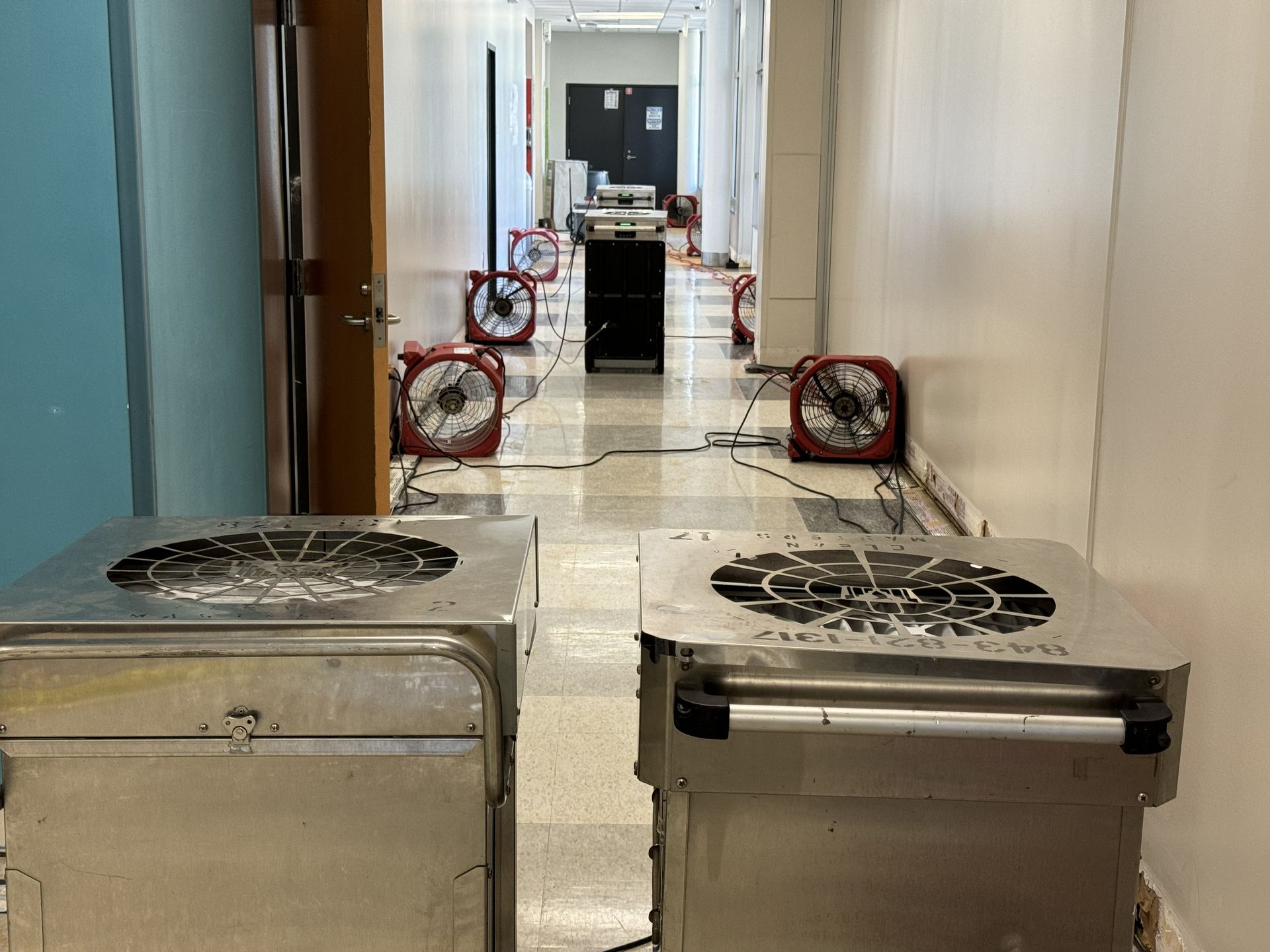
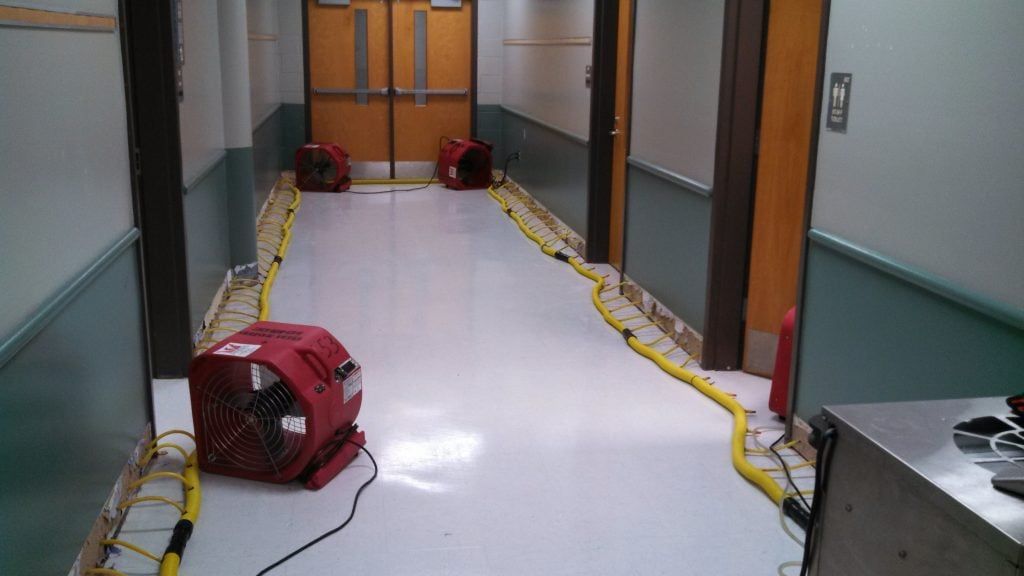
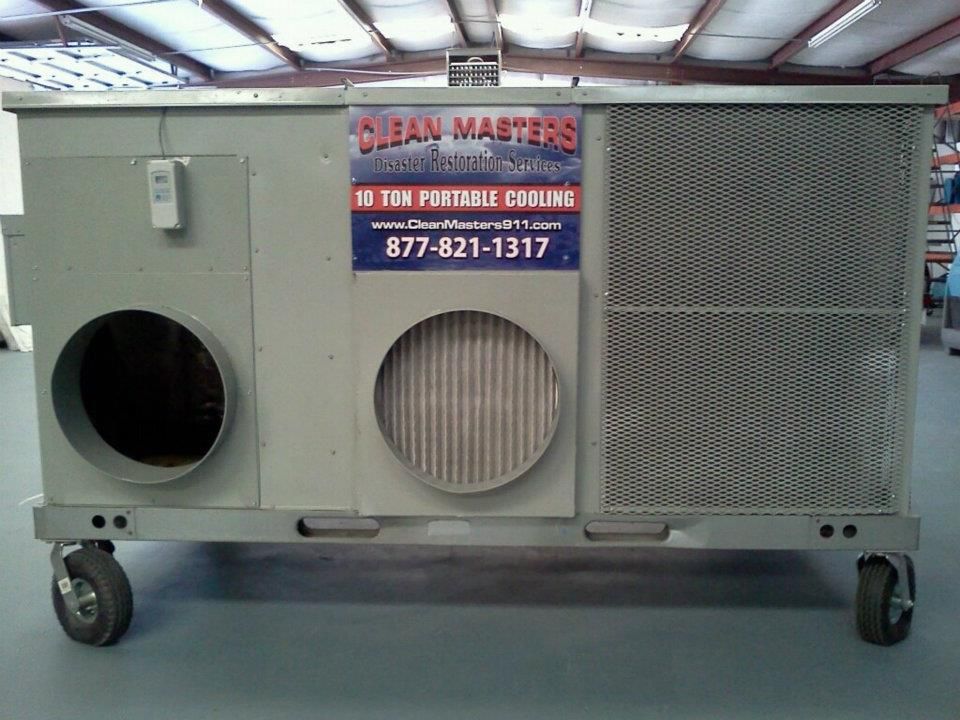
This is the longest phase of water damage restoration for most residential jobs. Industrial air movers and dehumidifiers are positioned throughout the affected areas, and moisture readings are taken daily to track progress.
Most residential structural drying takes three to five days for a Category 1 loss with moderate water intrusion. Larger or more saturated jobs can take longer. Your restoration company should provide daily or every-other-day updates on moisture readings so you can see the drying progress rather than simply being told it is ongoing.
A technician will adjust equipment placement as drying progresses. Once materials reach the target moisture levels verified by the meter, the equipment is removed.
Phase 3: Removal of Unsalvageable Materials
In some jobs, particularly Category 2 and Category 3 losses, certain materials cannot be dried in place and must be removed. This includes saturated insulation, drywall affected by contaminated water, and materials where drying in place would create conditions for ongoing damage.
This phase is sometimes performed in parallel with structural drying and sometimes after, depending on the scope. It adds time to the overall project, but attempting to dry materials that should be removed creates more problems than it solves.
Phase 4: Reconstruction
Once structural drying is complete and all affected materials have been addressed, reconstruction can begin. The scope varies widely, from replacing a section of drywall and repainting to more extensive work involving flooring, cabinetry, or framing.
Reconstruction timelines depend on the scope of materials that were removed and the availability of contractors. For most moderate residential water-damage restoration jobs, reconstruction adds 1 to 2 weeks. Larger jobs may require more time.
One question homeowners sometimes ask is whether water damage restoration and reconstruction have to be done by the same company. In some cases, a restoration company handles both mitigation and rebuild under a single contract, which can simplify coordination and claims communication. In other cases, mitigation and reconstruction are handled separately. Either approach can work, but understanding which model your restoration company uses upfront helps you accurately plan the full timeline.
What Homeowners Can Do to Help the Process
A few things on the homeowner side can contribute to a faster, smoother resolution:
- File your insurance claim promptly and provide your restoration company with the adjuster’s contact information as soon as it is available
- Maintain access to the affected areas so that daily moisture monitoring can occur on schedule
- Keep doors and windows closed in the affected areas unless your restoration team advises otherwise, to prevent outside humidity from interfering with the drying environment
- Avoid moving furniture or materials back into a drying area before the crew gives the all-clear, as this disrupts airflow and slows the process
- Keep pets and children out of areas where equipment is running to prevent disruption and ensure safety
Communication with your restoration company throughout the process matters. A reputable crew will proactively update you on drying progress. If you are not hearing regular updates, ask. Knowing where things stand helps you plan around the work and reduces the stress of not knowing when your home will be back to normal.
Water Damage Restoration in North Charleston
If your home has experienced water damage, the sooner water damage restoration begins, the shorter and less extensive the process will be. Clean Masters provides professional water damage restoration services for homeowners throughout North Charleston and the surrounding area. Contact our team today to start an assessment and get the drying process underway.